250k+
Estimated US deaths each year from medical error — ranked the third leading cause of death, behind only heart disease and cancer.
Patient guardian · future concept
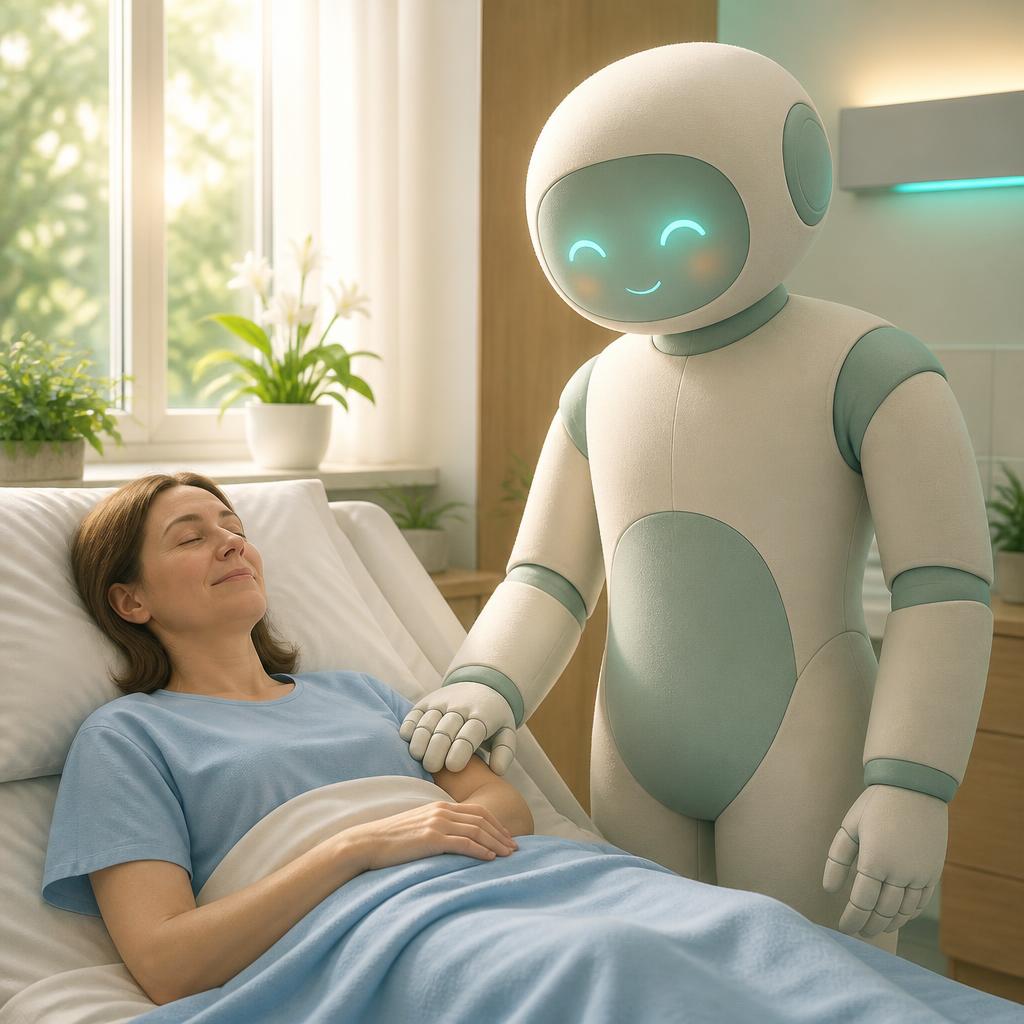
Kerub is a robotics platform designed to stand watch alongside clinicians — observing each procedure, flagging risk in real time, and helping teams work toward a future where preventable errors approach zero.
The mission
Kerub exists to be the calm, precise presence in the room when it matters most — not to replace the clinician, but to be the extra pair of eyes that never blinks, helping care teams catch what is easy to miss.
The origin · why Kerub exists
For decades, preventable harm in hospitals has been studied, measured, and mourned — yet it remains one of the largest avoidable causes of death and injury worldwide. Kerub was conceived as a response to that gap: a dedicated, ever-present guardian built to watch the moments where humans, under fatigue and pressure, are most likely to miss something.
250k+
Estimated US deaths each year from medical error — ranked the third leading cause of death, behind only heart disease and cancer.
1 in 10
Patients harmed while receiving hospital care, with more than half of that harm considered preventable.
1 in 300
Chance of a patient being harmed during health care — versus 1 in a million on a commercial flight. Aviation solved this; care has not.
In its intended role, Kerub is designed to hold a continuous, quiet awareness of a procedure as it unfolds — tracking each step against the planned workflow, watching for deviations, and surfacing prioritized cues to the clinician in the room. It is built to assist, not to act: the clinician reviews every flag and makes every decision. The aim is to give care teams a second set of eyes that never tires, so attention can stay where it belongs — on the patient.
Kerub's safety architecture is being designed around layered safeguards: clinician-in-the-loop decision-making, fail-safe defaults, a complete audit trail of every cue and action, and a clear boundary that the guardian never overrides human judgment. These principles are drawn from the same high-reliability disciplines that made aviation and nuclear operations orders of magnitude safer — applied, for the first time, to the bedside.
Kerub is a future technology concept. The figures above describe the global patient-safety problem Kerub aims to address, not outcomes achieved by Kerub. No clinical results, regulatory clearance, deployed safety record, or autonomous decision-making are claimed.
What it does
A continuous awareness of each step, designed so critical details do not slip through the workflow.
Prioritized cues surface when a pattern deserves a second look — while the clinician always decides.
Always attentive, designed to add a new layer of safety around the people who need it most.
The opportunity
The guardian robot is an emerging category with the potential to become essential clinical infrastructure — a trusted layer of oversight for care teams when every decision matters.
Join the founding conversationDevelopment path
From concept to clinical pilot
Built to begin with rigorous research, human-centered validation, and partnership with clinical teams.
Early access
We are starting conversations with clinicians, hospital leaders, robotics builders, and investors who want to shape the future of patient safety.
Kerub is a future technology concept. No current clinical outcomes, regulatory clearance, or autonomous decision-making are claimed.